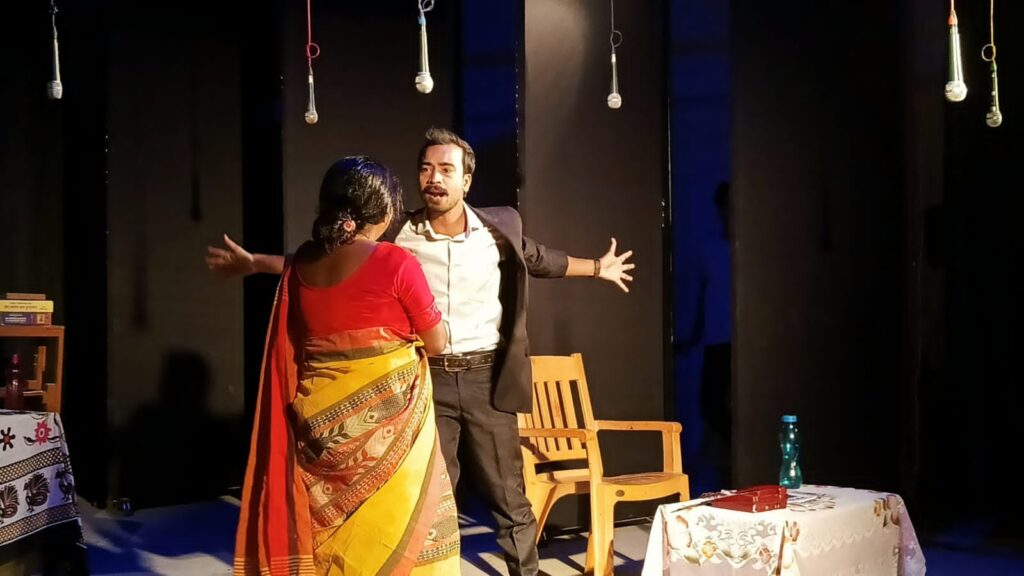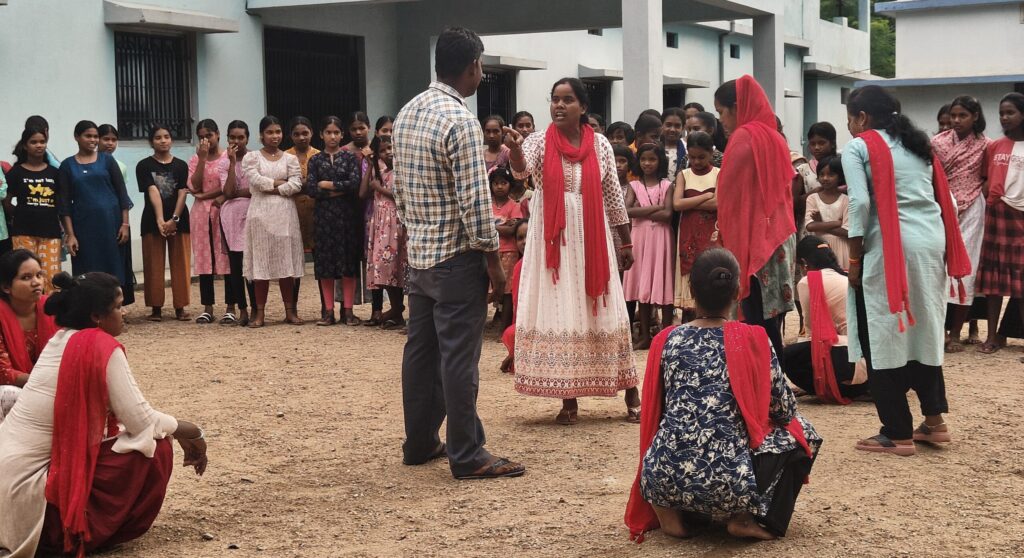
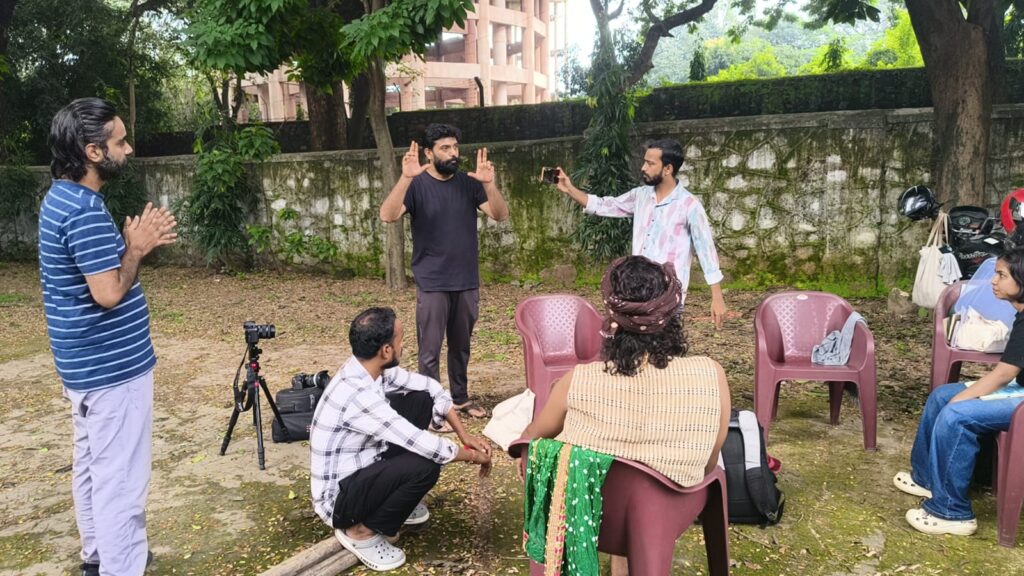
50 hours. One short film. One deadline. And an entire team working together to turn an idea into cinema.
The 50 Hours Filmmaking Challenge, organized as part of the Indian Film Project, was an intense filmmaking experience that tested creativity, teamwork, time management and the ability to make quick decisions under pressure.
For Jharkhand Production, this was our first participation in the 50 Hours Filmmaking Challenge in the Amateur Category, in collaboration with Maskal Theatre and Thespis Casting.
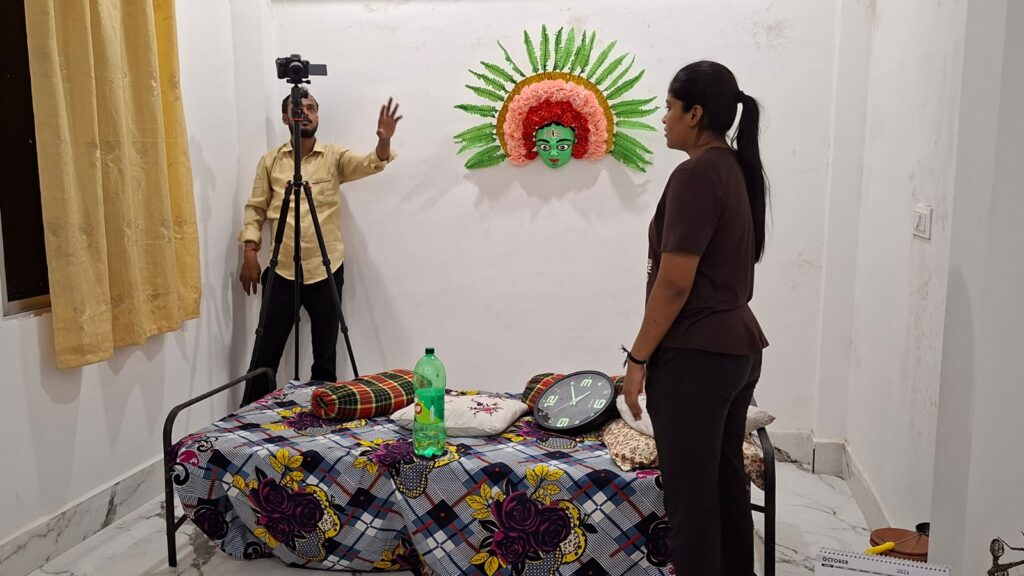
What began as a filmmaking challenge soon became an unforgettable journey filled with sleepless nights, endless cups of black coffee, last-minute changes, unexpected problems, creative discussions and countless moments of learning.
The most interesting part?
At some point, the process became more exciting than the outcome.
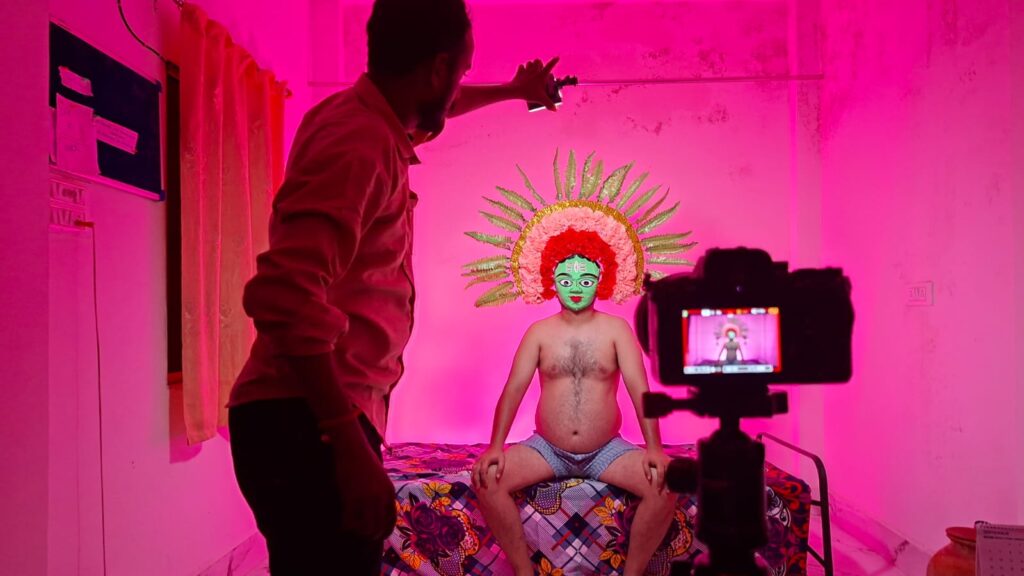
The 50 Hours Filmmaking Challenge
The concept of the challenge was simple but demanding: create a short film within a limited 50-hour filmmaking window.
Fifty hours may sound like a reasonable amount of time until you realize everything that needs to happen within those hours.
From developing the story and preparing the production to casting, rehearsals, shooting, lighting, art direction, costume and makeup, editing, subtitles and colour grading—every department had to work against the clock.
There was no luxury of unlimited time.
Every decision mattered.
Every delay affected the next department.
And every member of the team had to remain focused.
That is what made the challenge such a unique filmmaking experience.
Jharkhand Production’s First Indian Film Project Challenge
Participating in the Indian Film Project was a special moment for the Jharkhand Production team.
Jharkhand has a strong theatre and performing arts community, with talented actors, directors, technicians and storytellers working across different forms of creative production.
For us, the 50 Hours Filmmaking Challenge was an opportunity to take that creative energy into a highly compressed film-production environment.
Our participation was made possible through the collaboration of Jharkhand Production, Maskal Theatre and Thespis Casting.
Together, we brought theatre practitioners, filmmakers, technicians and actors onto one platform to create a short film within the challenge deadline.
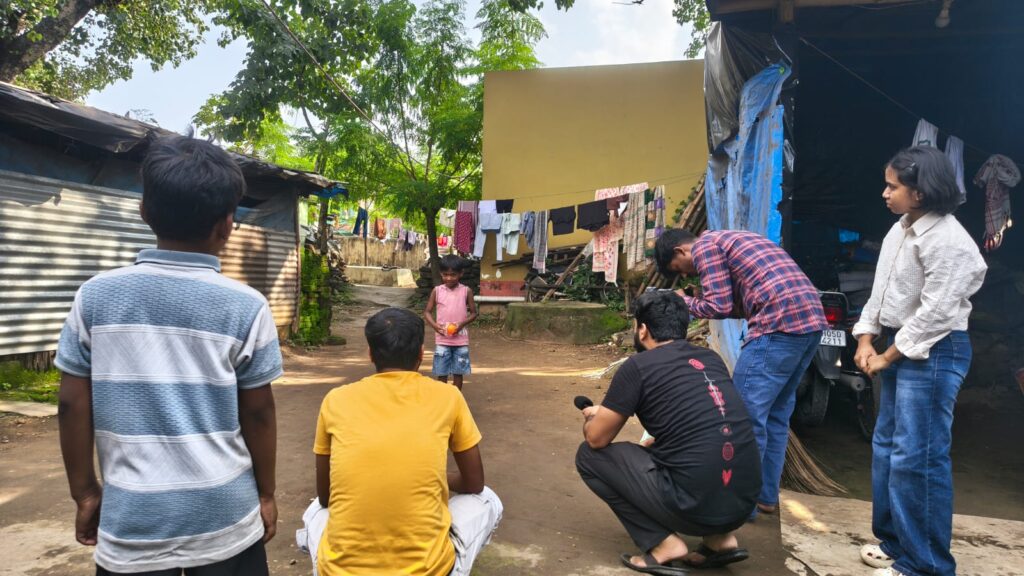
50 Hours of Creativity, Chaos and Black Coffee
There is a certain kind of energy that exists on a film set when the clock is constantly running.
The first few hours are filled with excitement.
Then the production gets intense.
Then comes the realization that there is still a lot to do.
And eventually, black coffee becomes part of the production equipment!
Our filmmaking journey included sleepless nights, continuous planning, last-minute changes and unexpected challenges.
But rather than stopping the process, these challenges pushed the team to become more creative.
A location may not work.
A shot may need to be changed.
A scene may require a different approach.
An edit may take longer than expected.
The solution is simple:
Adapt.
That is one of the biggest lessons filmmaking teaches you.
From Direction to Post-Production
A successful short film is never the work of one person.
It is the result of several departments working together.
Our core team brought together professionals and artists responsible for every stage of the filmmaking process.
Direction & Production Team
Director – Gyandeep
The director was responsible for bringing the creative vision together and making crucial decisions throughout the filmmaking process.
Associate Director – Prem Sharma
Working closely with the director, the associate director helped coordinate the creative and practical requirements of the production.
Production Manager – Ankur Kant
Managing a 50-hour production requires constant coordination, planning and problem-solving. The production department played a critical role in keeping the project moving.
Director’s Assistant – Suman Purty
The director’s assistant supported the direction team and helped coordinate the various requirements during the shoot.
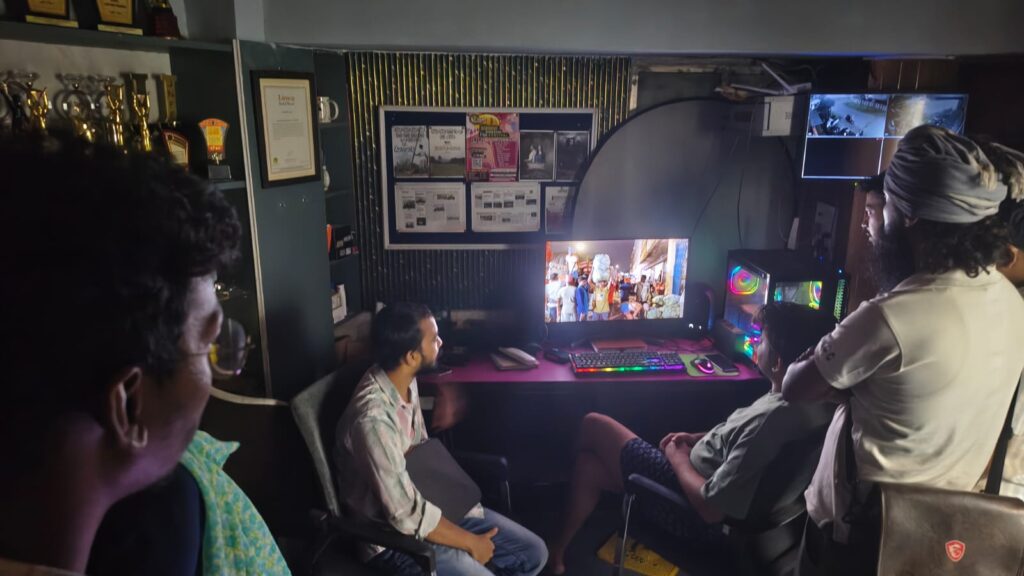
The Camera Team
DOP – Rajeev Ranjan Kumar
The Director of Photography translated the story and direction into visuals, helping establish the look and feel of the film.
Gaffer & Assistant Camera – Raj Karmakara
Lighting and camera support were essential to achieving the required visuals within the limited production schedule.
In a filmmaking challenge, technical departments have to work quickly while maintaining quality.
Art, Costume and Makeup
The visual world of a film depends heavily on the art department, costume and makeup.
Art Team – Pradeep Rajak & Puja Kumari
The art team worked to create the visual environment required for the film.
Costume & Makeup – Swati Kumari
Costume and makeup helped establish the characters and maintain the visual continuity of the film.
These departments may work behind the scenes, but their contribution is visible in every frame.
Subtitles, Editing and Colour
Once the shooting was completed, another race against time began.
Subtitle & Production – Vikash Kumar & Nishan Singh
The team worked on production requirements as well as subtitles, ensuring the film could be prepared for final submission.
Editor – Rajesh Tudu
The editor had the challenging task of transforming hours of raw footage into a coherent short film while working within the challenge deadline.
Colourist – Prakash Keshri
Colour grading helped bring consistency and a final visual character to the film.
The post-production stage demonstrated an important reality of filmmaking:
The film is not finished when the camera stops recording.
The film truly comes together in post-production.
The Actors Behind the Characters
The film featured talented performers who became an important part of this 50-hour filmmaking journey.
The cast included:
Suman, Nishan, Nitish Saluja, Prins and Vans Hembram.
Working under a tight schedule, the actors had to quickly understand their characters, scenes and requirements while adapting to the pace of the production.
Their performances became an important part of bringing the story to life.
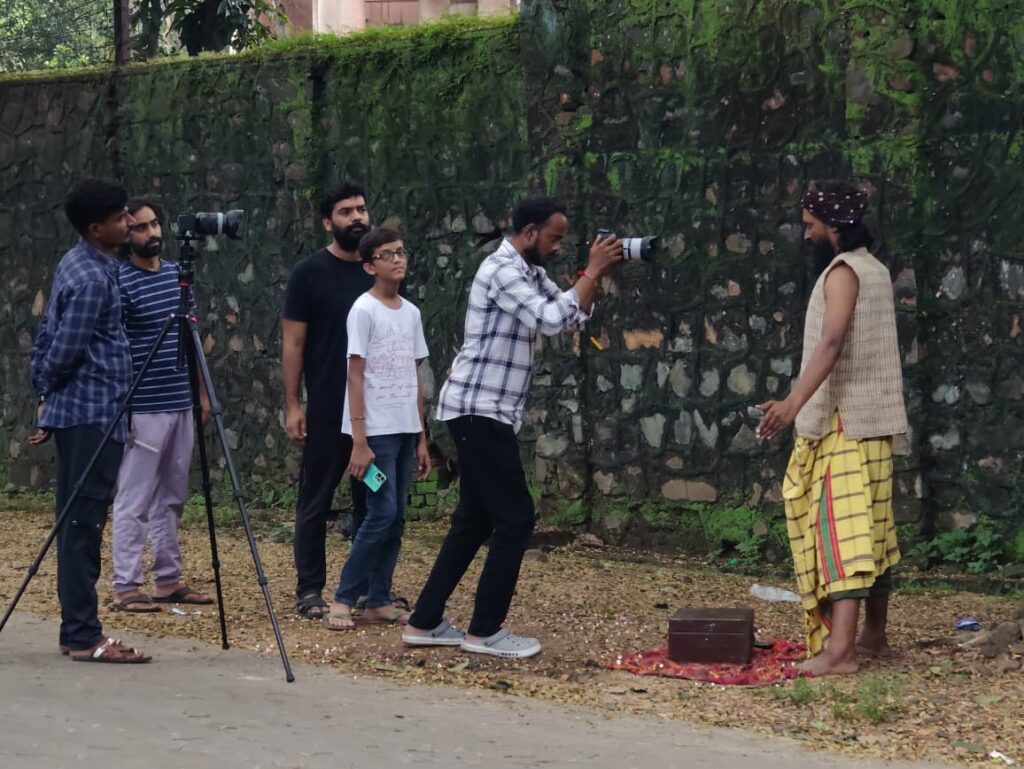
The Real Challenge Was Time
The biggest challenge of the 50 Hours Filmmaking Challenge was time.
In normal filmmaking, a production can have considerable time for preparation and post-production.
Here, the clock never stopped.
Every department had to think about the next stage.
The production team had to keep things moving.
The actors had to be ready.
The camera team had to prepare the shots.
The art and costume departments had to respond quickly.
The editor had to begin thinking about the final film even before the shoot was completely over.
This created an environment where communication and teamwork became as important as creativity.
Shoot Dates: 4–6 September 2026
The filmmaking process took place between 4 September 2026 and 6 September 2026, turning these days into an intense filmmaking marathon.
Long working hours, continuous coordination and constant creative decisions became part of the experience.
There were moments of exhaustion.
There were moments of excitement.
There were moments when the team had to completely rethink a plan.
But the common goal remained the same:
Finish the film within the challenge deadline.
What We Learned From the 50-Hour Challenge
The biggest achievement of a filmmaking challenge is not always the final film.
It is the experience gained while making it.
The challenge taught our team several important lessons:
1. Time Management Is Everything
A filmmaking schedule can change very quickly. Under a 50-hour deadline, every minute becomes valuable.
2. Teamwork Makes the Film Possible
No filmmaker can create a film alone. Every department contributes to the final result.
3. Adaptability Is a Filmmaker’s Strength
Things will go wrong. Locations may change. Shots may change. Plans may change.
A good filmmaking team learns to adapt.
4. Communication Is Critical
When multiple departments are working under pressure, clear communication becomes essential.
5. Creativity Works Best Under Collaboration
The best ideas often emerge when directors, actors, technicians and production members discuss problems together.
More Than a Competition
For us, the Indian Film Project 50 Hours Filmmaking Challenge was more than a competition.
It was a practical filmmaking laboratory.
It gave our team the opportunity to experience the pressure of creating cinema within an extremely limited timeframe.
It brought together people from different creative backgrounds.
And it reminded us why filmmaking is such a collaborative art form.
The final film is important, but the journey of making it is equally valuable.
A New Experience for Jharkhand Production
For Jharkhand Production, this first participation in the 50 Hours Filmmaking Challenge was a significant learning experience.
Our work has always been connected with theatre, film, casting, short films, workshops and creative productions in Jharkhand.
This challenge allowed us to explore filmmaking from a different perspective and work alongside creative collaborators in a high-pressure production environment.
The experience has strengthened our belief that Jharkhand has immense talent and creative potential in filmmaking and performing arts.
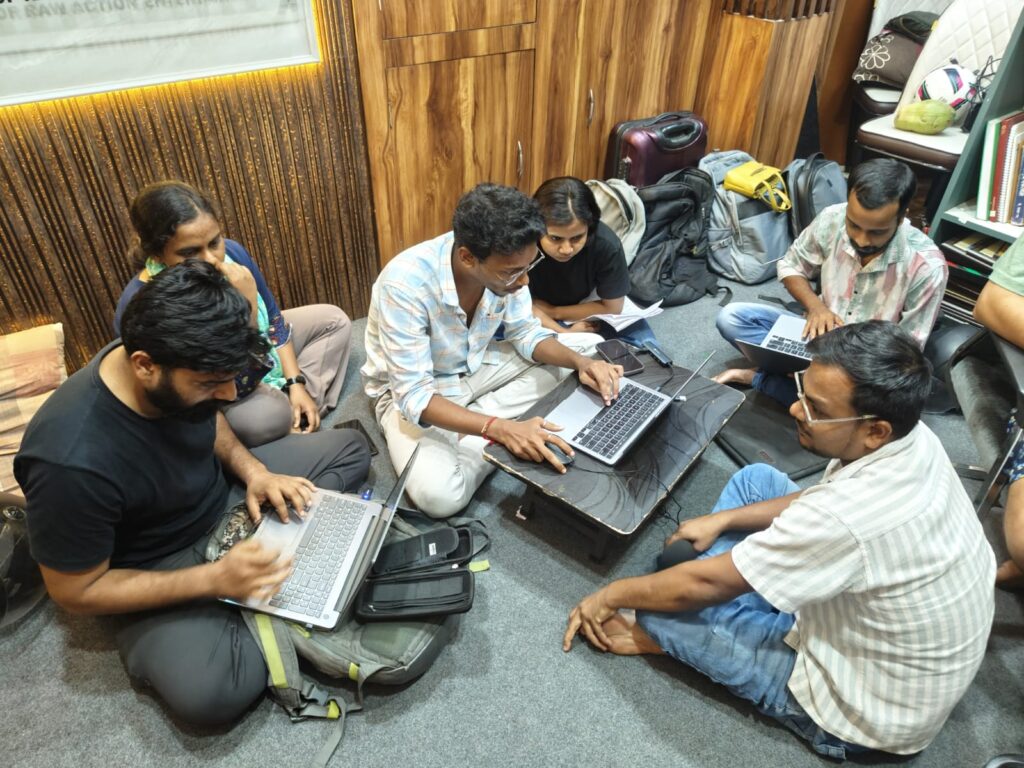
Behind Every Film Is a Team
When audiences watch a short film, they see the actors, the story and the finished visuals.
They don’t always see the people who stayed awake through the night.
They don’t see the production discussions.
They don’t see the camera and lighting preparations.
They don’t see the art and costume work.
They don’t see the editor working against the deadline.
They don’t see the colourist working on the final look.
They don’t see the black coffee.
But all of those moments are part of the film.
And that is why this project will always be special for our team.
50 Hours of Pure Magic
At the end of the challenge, we realized something important.
The 50 hours were not simply about making a short film.
They were about creating something together under pressure.
They were about learning.
They were about experimenting.
They were about trusting the team.
They were about finding solutions when there seemed to be no time left.
And yes, they were also about surviving on black coffee!
For Jharkhand Production, our first participation in the Indian Film Project’s 50 Hours Filmmaking Challenge became an unforgettable chapter in our filmmaking journey.
50 hours.
One film.
One team.
Countless challenges.
Endless learning.
And a whole lot of filmmaking magic.
Credits
Director: Gyandeep
Associate Director: Prem Sharma
Production Manager: Ankur Kant
Subtitle & Production: Vikash Kumar & Nishan Singh
Director’s Assistant: Suman Purty
DOP: Rajeev Ranjan Kumar
Gaffer & Assistant Camera: Raj Karmakara
Art: Pradeep Rajak & Puja Kumari
Costume & Makeup: Swati Kumari
Editor: Rajesh Tudu
Colourist: Prakash Keshri
Cast: Suman, Nishan, Nitish Saluja, Prins & Vans Hembram
Collaborators: Jharkhand Production × Maskal Theatre × Thespis Casting
Challenge: 50 Hours Filmmaking Challenge – Indian Film Project
Category: Amateur
Shoot: 4–6 September 2026
About Jharkhand Production
Jharkhand Production is a creative production initiative working in film, theatre, casting, short films, workshops and creative productions in Jharkhand.
Through collaborations with filmmakers, actors, theatre artists and production professionals, Jharkhand Production continues to contribute to the growing film and theatre ecosystem of Jharkhand.
For more stories, projects and filmmaking updates, visit JharkhandProduction.com.